Application review
Map the floor, soil, access, traffic, refilling, dumping, charging, and storage constraints before narrowing the machine family.

Commercial floor-care equipment performs as a system: machine, tool, consumable, route, operator, inspection routine, and service response. Tennant lifecycle planning starts by documenting the facility and the result the team needs to repeat.
The brief covers floor finish, soil, route length, access restrictions, traffic windows, water and charging locations, recovery and disposal, storage, operator skill, and service expectations. Those inputs guide the trial and make later maintenance decisions easier to explain.
Discuss the operating brief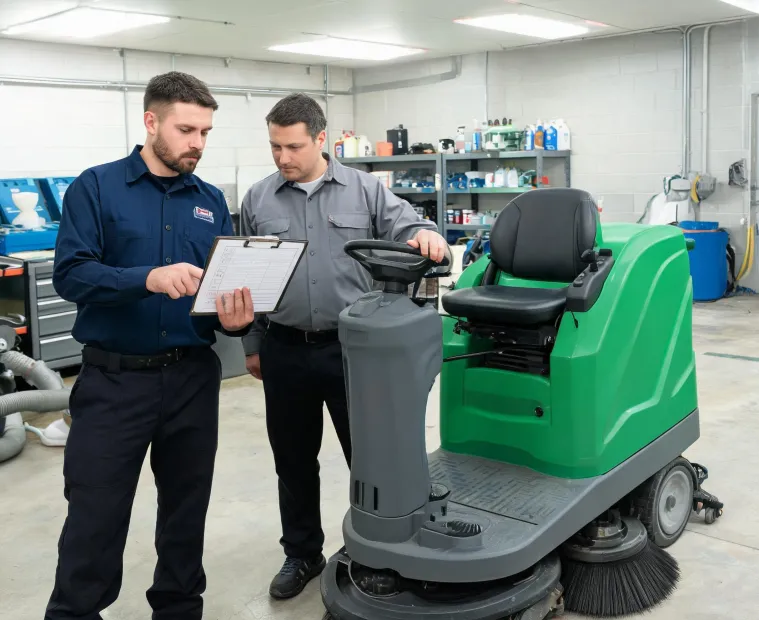
Map the floor, soil, access, traffic, refilling, dumping, charging, and storage constraints before narrowing the machine family.
Use a fixed route and documented inputs. Record passes, run time, operator actions, recovery condition, drying, and areas needing rework.
Define pre-use inspection, setup, safe maneuvering, tool care, tank handling, end-of-shift cleaning, and when to stop and escalate.
Align daily checks, consumable replacement, preventive maintenance, parts access, service records, and fault-response ownership.
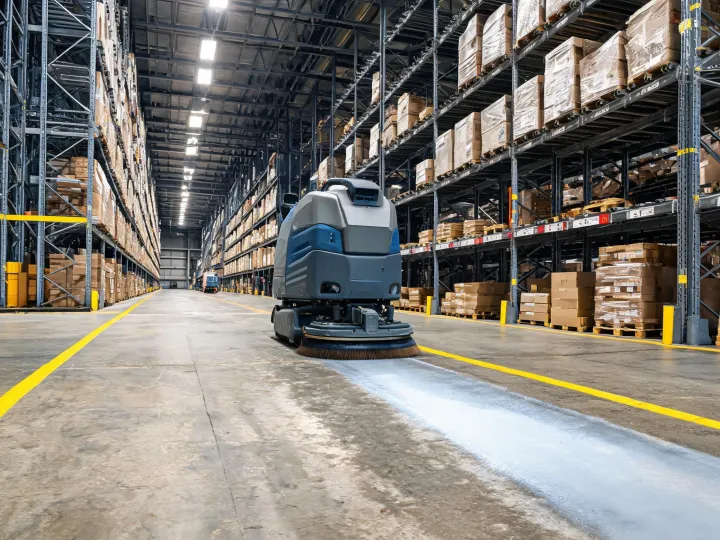
A warehouse route may require sweeping before scrubbing, tight turns at aisle ends, controlled work around forklifts, and a recovery result that returns the floor to traffic without leaving standing solution. The trial should log the same route length, soil load, tool setup, passes, refill events, dump events, and drying observation for every configuration.
A ride-on unit can reduce walking on an open route, while a smaller machine may fit congested zones more predictably. The practical choice depends on total route work, not deck width alone. Battery charging, storage, daily squeegee inspection, broom or pad wear, and access to service also belong in the decision.
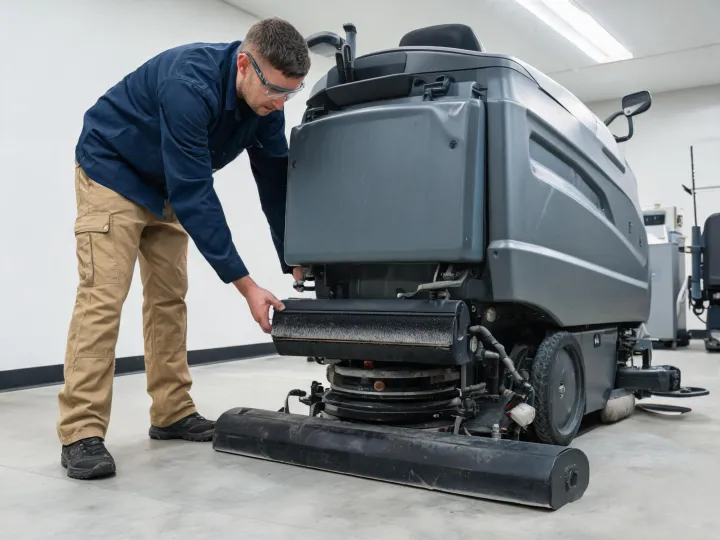
Acceptance criteria should describe what the team can observe: soil removed from the target area, acceptable floor finish, recovered solution condition, absence of pooled water, safe maneuvering, and a complete shift-end routine. The operator record should capture unusual noise, reduced pickup, brush or pad condition, filter loading, and faults before the next route begins.
Not every issue needs the same response. A setup problem may be corrected during handoff; a consumable may need replacement; a recurring recovery fault may require service. Clear escalation rules keep small defects from becoming inconsistent cleaning or avoidable downtime.
Choose a route that reflects the facility’s real traffic, soil, access, and operating window. A repeatable trial is more informative than a polished demonstration on an easy surface.