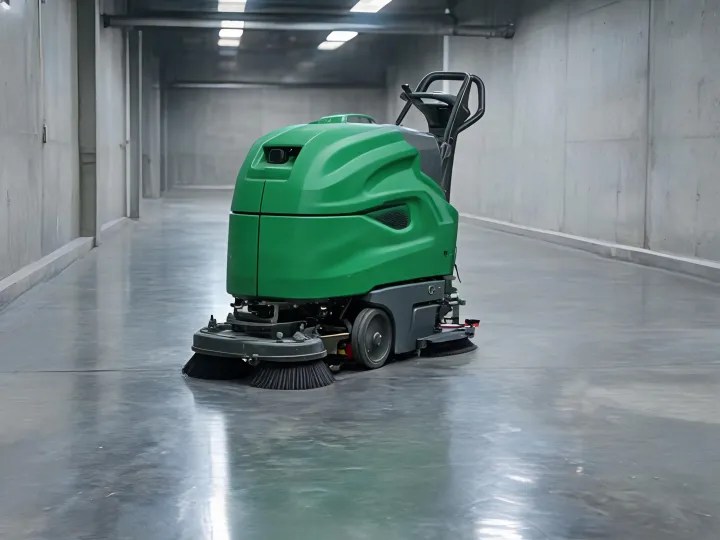
Bonded soil
Floor Scrubbers
Evaluate scrub path, solution delivery, recovery performance, turning radius, run time, and the operator’s refill and dump sequence.
Review scrubber options
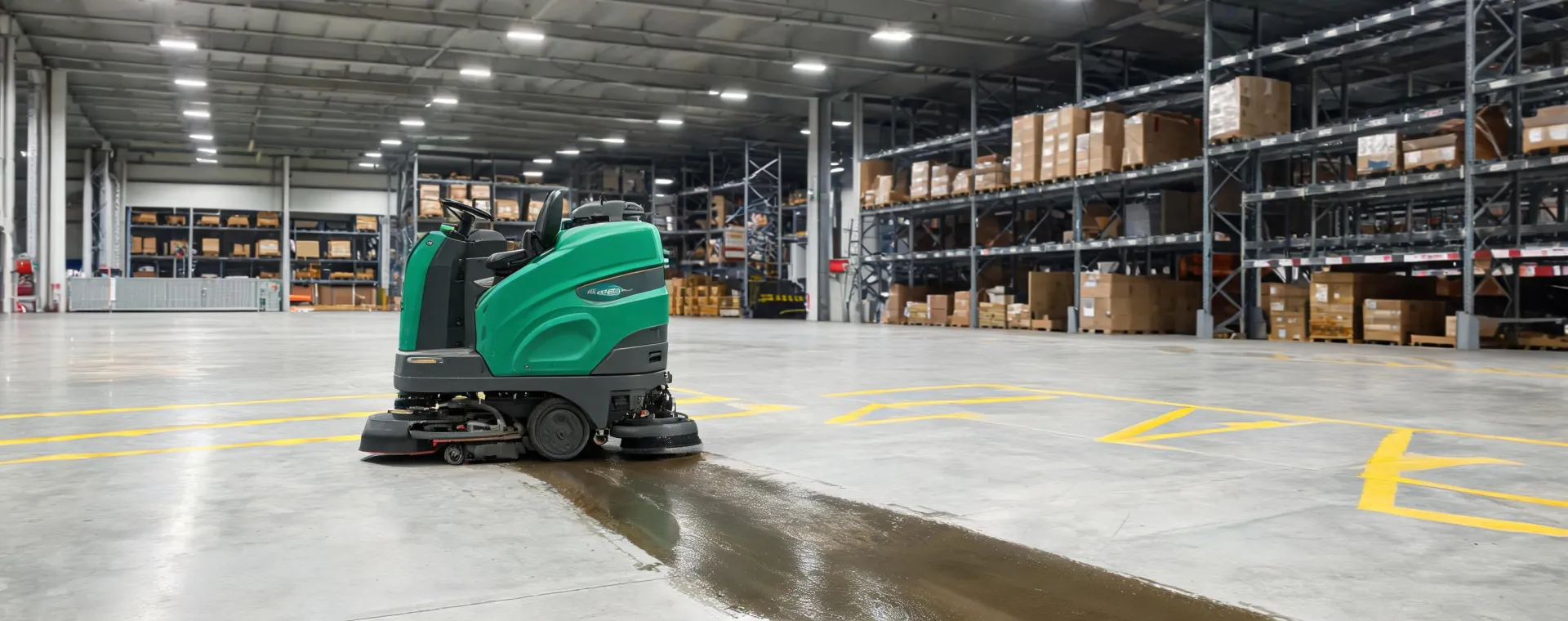
Start with the work your facility must complete. Compare scrubbers, sweepers, and industrial vacuums against aisle width, traffic, recovery conditions, operator workflow, and planned service access.
Machine type is only the first decision. Brush or pad selection, solution management, filtration, recovery, turning space, and operator handoff all affect the result.
Evaluate scrub path, solution delivery, recovery performance, turning radius, run time, and the operator’s refill and dump sequence.
Review scrubber options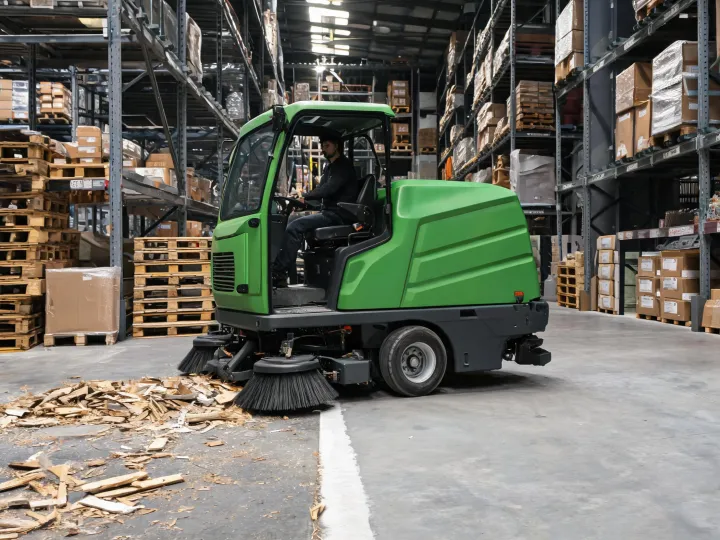
Compare broom geometry, hopper access, dust control, aisle clearance, dumping method, and the material typically found along the route.
Review sweeper options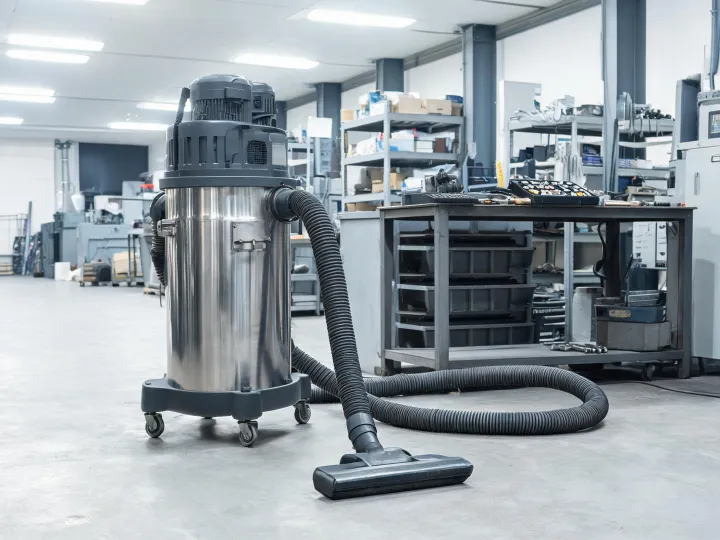
Confirm material compatibility, filtration, hose reach, container handling, noise expectations, and safe disposal procedures before selection.
Review vacuum optionsA machine trial is more useful when the team holds the route, soil condition, tool setup, operator, and acceptance criteria constant. Changes in any of those inputs can make a result look better or worse without proving that the machine is the cause.
Measure access widths, route distance, slopes, thresholds, drains, refill points, charging locations, storage, and the periods when pedestrian or vehicle traffic limits cleaning.
Separate loose debris, films, oils, tracked material, and periodic buildup. A sweeper, scrubber, or vacuum solves a different part of the sequence.
Keep the route and operating inputs stable. Log setup, passes, refill and dump events, operator observations, recovery, drying, and any areas that require rework.
Document daily inspection, consumable checks, planned maintenance, fault escalation, parts access, and the person accountable for each handoff.
Share floor type, soil, area, access constraints, cleaning frequency, labor window, water and charging access, and the result your team must verify.