Listen at floor level
The route begins with the operator and facility manager. Floor finish, soil, traffic, slopes, thresholds, narrow access, water, drainage, charging, storage, and shift windows determine what a machine must do.

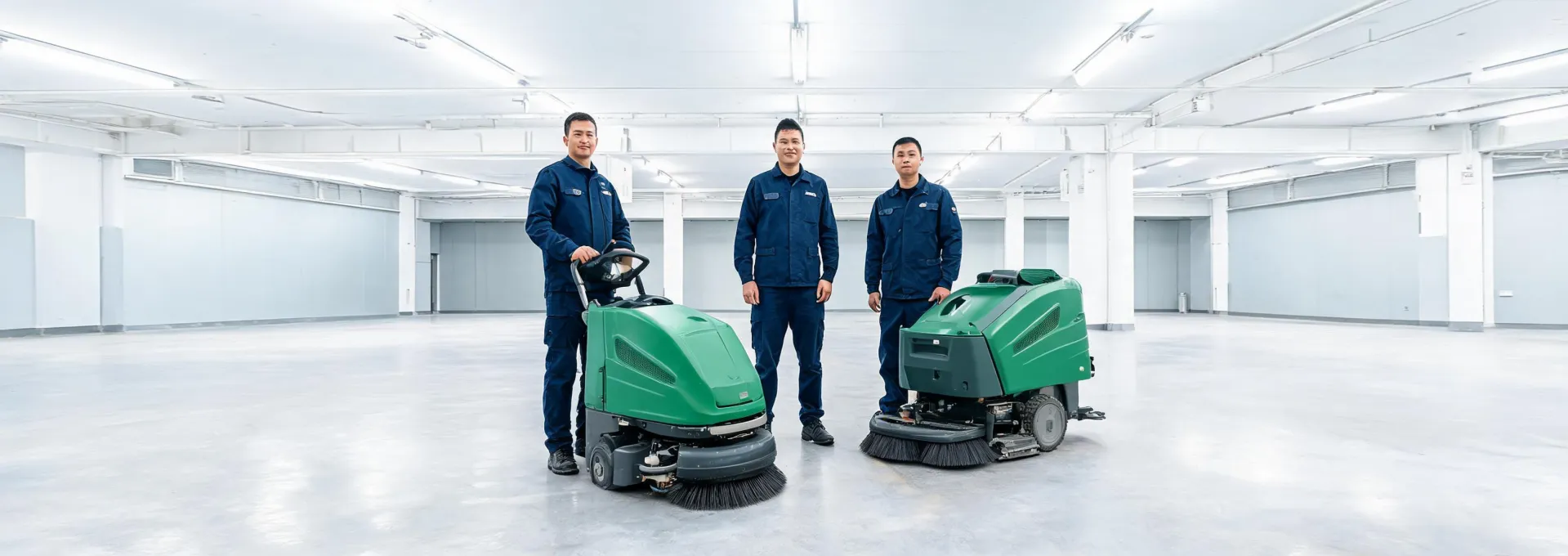
Tennant is presented here as a professional floor-care partner for organizations that need repeatable cleaning routes, traceable decisions, and equipment that can be maintained within a planned workflow.
Rather than rely on broad corporate claims, the process below identifies the evidence a facility team can inspect at each stage.
The route begins with the operator and facility manager. Floor finish, soil, traffic, slopes, thresholds, narrow access, water, drainage, charging, storage, and shift windows determine what a machine must do.
The application brief becomes a controlled route. Tool setup, solution, speed, passes, refill and dump events, recovery, dryness, maneuvering, and operator actions are recorded under comparable conditions.
Daily inspection points, setup, safe operation, consumable care, tank or hopper handling, filter checks, charging, storage, and escalation are written into standard work.
Preventive maintenance, wear items, fault descriptions, parts, response, and return-to-service checks create a record that the next operator, supervisor, or technician can use.
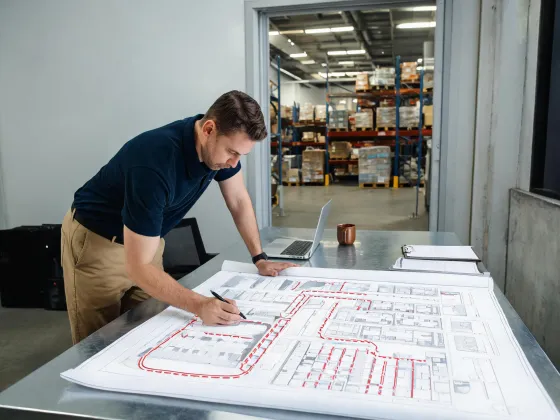
Defines access, traffic, compliance, acceptance, storage, utilities, and the operating window.
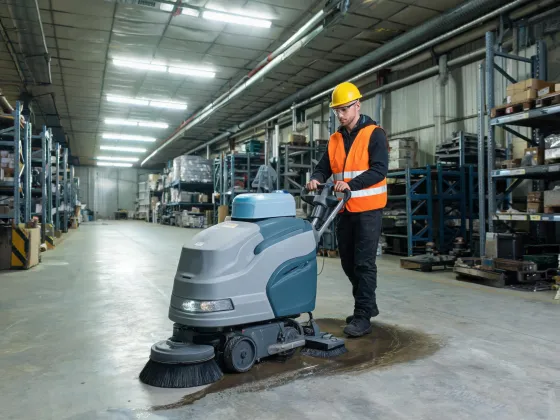
Tests maneuvering, visibility, controls, setup, recovery, daily care, and the pace of the real route.
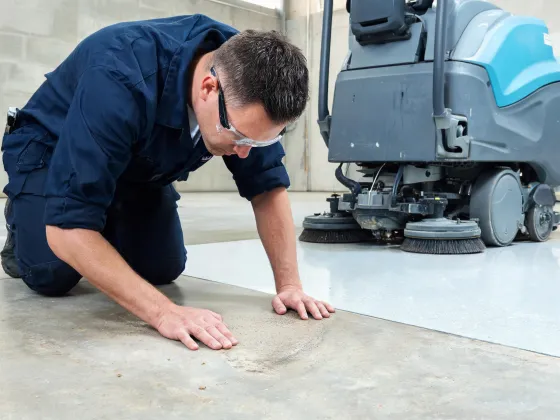
Connects soil and surface conditions with machine family, tool choice, method, and trial controls.
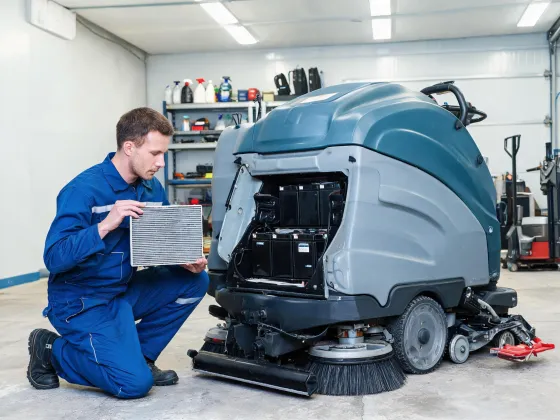
Plans inspection, maintenance, wear items, fault evidence, response, and return-to-service verification.
Share the representative route, current method, recurring defects, service constraints, and the result your team will accept.